
In modern football, each position on the field not only fulfills a traditional role but also depends on the coach’s sophisticated tactics. One of the special and increasingly popular positions is the false striker. So what is a false striker and why is their role so important in modern formations? This article will analyze in detail, and also introduce outstanding players who have played this position. This article, compiled from PH777, will help you gain more information about false strikers.
What is a False Striker?
False strikers usually appear in the highest position on the field, but unlike traditional strikers, they don’t just focus on scoring goals. Players in this position are both the spearhead of attack and deeply involved in the team’s tactics, acting as a creative midfielder. They are capable of penetrating midfield spaces, moving to the flanks, or drawing the opposing team out of position to create opportunities for their teammates.
Unlike traditional center forwards, false strikers are highly tactical, helping to control the tempo of the game, distribute the ball, and create chances rather than scoring directly. This flexibility allows the team to maximize space on the field and create diverse, unpredictable attacking situations.
Conditions to become an excellent false striker
To effectively play the false striker position, a player needs to possess several important qualities. Not only goal-scoring ability, but also tactical skills, teamwork, and sharp ball awareness.
Superior individual technique
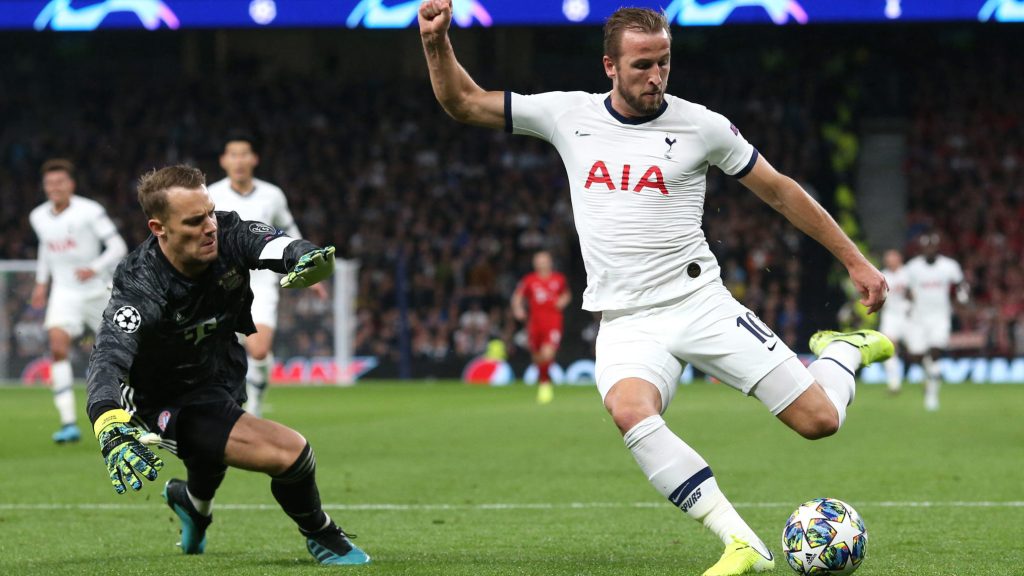
A false striker needs to possess excellent individual technique: the ability to retain possession, handle the ball in tight spaces, break through defenses, and create opportunities for teammates. Their technical skill allows them to flexibly coordinate the game and create effective attacking situations.
Intelligent Ball Thinking
Tactical thinking is indispensable. A false striker must recognize the positions of teammates, anticipate the movements of opponents, and make creative decisions. The ability to read the game helps them maximize the strength of their team and make a difference in big matches.
Passing and Creating Ability
Beyond just scoring goals, a false striker needs the ability to pass accurately, support teammates, and create dangerous opportunities. They often retreat or move wide to stretch the opponent’s defense, while initiating attacks from unexpected positions.
Famous False Strikers Worldwide
Throughout football history, many players have established themselves as false strikers across seasons and major tournaments. They have not only made their mark with goals but also with creativity and tactical influence.
Lionel Messi
Messi is one of the quintessential examples of the modern false nine. Under coach Guardiola at Barcelona, he frequently moved from a high position to the center, participating in assists, linking up with teammates, and creating scoring opportunities from subtle gaps. His superb individual technique and ability to read the game made Messi one of the best false nines of all time.
Cesc Fàbregas
Although famous for his role as a midfielder, Cesc Fàbregas was also used as a false nine thanks to his creativity, accurate passing, and ability to control the tempo of the game. He could withstand pressure from opponents while creating space for teammates to attack, playing a crucial role as a link in the tactics of the Spanish national team and his club.
Roberto Firmino
Firmino is another prime example of a false nine in modern football. At Liverpool, he not only scored goals but also participated in orchestrating the game, creating opportunities for other midfielders and forwards. Firmino excelled at linking the lines, helping Liverpool achieve success in the Premier League and the Champions League.
The Importance of the False Striker in Modern Football
The false striker position is increasingly favored by modern coaches due to its versatility and ability to create game-changing moments. They help expand tactical options, make opposing defenses unpredictable, and create numerous opportunities for teammates. Furthermore, false strikers contribute to controlling the tempo of the game, retaining possession, developing attacks, and reducing pressure on the midfield.
Not limited to top clubs, this position is being widely used in many international leagues, from the Premier League and La Liga to the Champions League. The emergence of the false striker demonstrates that modern football relies not only on goal-scoring ability but also on flexible tactics, creative thinking, and intelligent teamwork.